
B.Ed. Special Education MD Notes (B.ED. MD NOTES) – Paper No C1 Identification of children with multiple Disability & Assessment of Needs – Unit 1: Introduction to Multiple Disabilities
1.1 Basic Anatomy- Skeletal, Muscular, Nervous System
Basic anatomy refers to the study of the structure of the human body and the organization of its parts. In the field of multiple disabilities, knowledge of anatomy is essential because many disabilities arise from abnormalities or impairments in body systems that control posture, movement, coordination, and physical functioning.
Children with multiple disabilities often show combined impairments involving:
- Skeletal system (bones and joints)
- Muscular system (muscle strength and tone)
- Nervous system (control and coordination)
For example:
- Cerebral palsy involves nervous and muscular systems but also leads to skeletal deformities.
- Muscular dystrophy causes progressive muscle weakness that affects bone alignment.
- Spinal cord disorders affect both skeletal posture and motor control.
Therefore, understanding skeletal anatomy helps special educators recognize postural abnormalities, mobility limitations, and structural deformities that influence learning and participation.
Meaning of the Skeletal System
The skeletal system is the structural framework of the human body composed of bones, cartilage, ligaments, and joints. It provides shape, mechanical support, protection to internal organs, and serves as the foundation for movement when muscles contract.
The adult human skeleton contains 206 bones, while infants have about 270 bones that gradually fuse during growth and development.
In children with multiple disabilities, skeletal growth and alignment may be altered due to neuromuscular imbalance, developmental disorders, or reduced mobility.
Components of the Skeletal System
The skeletal system consists of several interconnected anatomical structures.
Bones
Bones are rigid, mineralized connective tissues forming the main framework of the body. They contain calcium salts that give hardness and strength.
Cartilage
Cartilage is a flexible connective tissue present at joint surfaces, nose, ear, and respiratory tract. It cushions joints and reduces friction during movement.
Ligaments
Ligaments are strong fibrous bands connecting bone to bone. They stabilize joints and prevent excessive movement.
Joints
Joints are the points where two or more bones meet. They allow movement and provide mechanical stability.
Divisions of the Human Skeleton
The skeleton is divided into axial and appendicular parts based on location and function.
Axial Skeleton
The axial skeleton forms the central axis of the body and consists of 80 bones.
It includes:
- Skull (22 bones)
- Auditory ossicles (6 bones)
- Hyoid bone (1 bone)
- Vertebral column (26 bones in adults)
- Rib cage (24 ribs)
- Sternum (1 bone)
Functions:
- Supports head and trunk
- Protects brain and spinal cord
- Protects heart and lungs
- Maintains upright posture
The axial skeleton is particularly important in children with multiple disabilities because spinal deformities directly affect sitting balance, breathing, and head control.
Appendicular Skeleton
The appendicular skeleton consists of 126 bones forming the limbs and girdles that attach them to the axial skeleton.
Upper limb components:
- Clavicle
- Scapula
- Humerus
- Radius
- Ulna
- Carpals
- Metacarpals
- Phalanges
Lower limb components:
- Pelvic girdle (hip bones)
- Femur
- Patella
- Tibia
- Fibula
- Tarsals
- Metatarsals
- Phalanges
Functions:
- Enables locomotion (walking, standing)
- Enables manipulation and grasping
- Supports body weight
- Allows functional independence
Impairments in appendicular bones affect mobility, self-care, writing, and daily activities in children with disabilities.
Structure of a Typical Long Bone
Understanding bone structure helps explain fractures, deformities, and growth disturbances seen in children with disabilities.
Diaphysis
The shaft of a long bone composed mainly of dense compact bone providing strength.
Epiphysis
The expanded ends of a bone containing spongy bone and forming joint surfaces.
Metaphysis
The region between diaphysis and epiphysis containing the growth plate in children.
Epiphyseal Plate (Growth Plate)
A cartilaginous plate responsible for longitudinal bone growth during childhood. Damage to this plate can cause limb shortening or deformity.
Periosteum
A vascular connective tissue membrane covering bone surface. It contains nerves and blood vessels and is essential for bone growth and repair.
Bone Marrow
Soft tissue inside bone cavities:
- Red marrow – produces blood cells
- Yellow marrow – stores fat
Types of Bones
Bones are classified according to shape and function.
Long Bones
Bones longer than wide with a shaft and two ends.
Examples: femur, humerus, tibia
Functions:
- Movement
- Weight bearing
- Leverage
Short Bones
Cube-shaped bones providing stability with limited movement.
Examples: carpals, tarsals
Functions:
- Support
- Shock absorption
Flat Bones
Thin, flattened bones with broad surfaces.
Examples: skull bones, ribs, sternum, scapula
Functions:
- Protection of organs
- Muscle attachment
Irregular Bones
Bones with complex shapes adapted for specialized roles.
Examples: vertebrae, facial bones
Functions:
- Protection of nervous tissue
- Structural support
Sesamoid Bones
Small bones embedded within tendons.
Example: patella
Function: improves mechanical efficiency of muscles.
Joints (Articulations)
A joint is the anatomical junction between two or more bones. Joints allow movement while maintaining stability and alignment.
Structural Classification of Joints
Fibrous Joints
Bones connected by fibrous connective tissue with no movement.
Example: skull sutures
Cartilaginous Joints
Bones connected by cartilage allowing slight movement.
Examples:
- Intervertebral joints
- Pubic symphysis
Synovial Joints
Freely movable joints containing synovial fluid and a joint capsule.
Examples:
- Shoulder
- Hip
- Knee
- Elbow
Most functional movements occur at synovial joints.
Types of Synovial Joints
Ball and Socket Joint
Movement in all directions including rotation.
Examples: shoulder, hip
Hinge Joint
Movement in one plane (flexion and extension).
Examples: elbow, knee
Pivot Joint
Rotational movement around a central axis.
Example: atlas–axis joint of neck
Condyloid Joint
Movement in two planes.
Example: wrist joint
Plane (Gliding) Joint
Sliding movement between flat surfaces.
Examples: intercarpal joints
Functions of the Skeletal System
The skeletal system performs essential physiological and mechanical functions.
Support and Body Framework
Bones provide structural support and maintain body shape and posture.
Protection of Vital Organs
- Skull protects brain
- Vertebrae protect spinal cord
- Rib cage protects heart and lungs
Movement
Bones act as levers and joints act as fulcrums. Muscles attached to bones produce movement.
Blood Cell Formation (Hematopoiesis)
Red bone marrow produces:
- Red blood cells
- White blood cells
- Platelets
Mineral Storage
Bones store calcium and phosphorus required for nerve conduction and muscle contraction.
Skeletal Development and Growth
Bone formation occurs through ossification.
Two main processes:
- Intramembranous ossification (flat bones)
- Endochondral ossification (long bones)
Growth occurs at epiphyseal plates until adolescence. Conditions affecting growth plates can cause skeletal deformities and limb length differences.
Children with multiple disabilities often show delayed or abnormal skeletal growth due to:
- Neuromuscular imbalance
- Reduced weight bearing
- Genetic disorders
- Limited mobility
Skeletal Abnormalities in Children with Multiple Disabilities
Children with multiple disabilities frequently develop skeletal deformities secondary to muscle weakness, spasticity, paralysis, or poor posture.
Spinal Deformities
Abnormal curvature of the spine.
Scoliosis – lateral curvature
Kyphosis – excessive thoracic curve
Lordosis – excessive lumbar curve
Effects:
- Poor sitting balance
- Breathing difficulty
- Pain
- Reduced endurance
Joint Contractures
Permanent limitation of joint movement due to muscle shortening or imbalance.
Effects:
- Stiff limbs
- Difficulty standing or walking
- Limited hand function
Common in cerebral palsy and neuromuscular disorders.
Hip Dislocation or Subluxation
Common in children with severe motor impairment.
Effects:
- Asymmetrical posture
- Difficulty sitting
- Pain
- Reduced mobility
Bone Fragility
Weak bones prone to fracture.
Example: osteogenesis imperfecta
Effects:
- Frequent fractures
- Mobility restriction
- Fear of movement
Educational Implications of Skeletal Disorders
Skeletal abnormalities directly influence learning and participation.
Postural instability affects:
- Sitting tolerance
- Writing ability
- Head control
- Visual focus
- Attention
Mobility limitations affect:
- Classroom access
- Participation in activities
- Self-care independence
Pain and deformity affect:
- Concentration
- Endurance
- Social interaction
Importance of Skeletal Knowledge for Special Educators
Understanding skeletal anatomy enables educators to:
- Identify abnormal posture
- Recognize deformities early
- Provide proper seating and positioning
- Support mobility and transfers
- Collaborate with physiotherapists
- Prevent secondary deformities
- Improve functional participation
Proper positioning improves:
- Hand use
- Communication
- Feeding
- Writing
- Learning engagement
Muscular System
Meaning of the Muscular System
The muscular system is the body system composed of specialized contractile tissues called muscles. Muscles have the ability to contract and relax, producing movement, maintaining posture, stabilizing joints, and generating heat.
In the human body there are more than 600 muscles. These muscles work in coordination with bones and the nervous system to produce all voluntary and involuntary movements.
In children with multiple disabilities, abnormalities in muscle strength, tone, coordination, or control significantly affect posture, mobility, feeding, speech, and daily functioning.
Basic Properties of Muscle Tissue
All muscles share certain physiological properties.
Contractility
Ability of muscle fibers to shorten and produce force.
Excitability (Irritability)
Ability to respond to nerve stimulation.
Extensibility
Ability to be stretched without damage.
Elasticity
Ability to return to original length after stretching or contraction.
These properties are essential for smooth and coordinated movement.
Structure of a Skeletal Muscle
A skeletal muscle has a hierarchical organization.
Muscle → fascicles → muscle fibers → myofibrils → sarcomeres
Muscle Belly
The central contractile portion.
Tendon
Strong fibrous connective tissue attaching muscle to bone.
Muscle Fibers
Long cylindrical cells containing contractile proteins.
Myofibrils
Microscopic threads inside fibers responsible for contraction.
Sarcomere
Functional contractile unit containing actin and myosin filaments.
Muscle contraction occurs when actin and myosin slide over each other, shortening the sarcomere.
Types of Muscles in the Human Body
Muscles are classified based on structure and function.
Skeletal Muscle (Voluntary Muscle)
Skeletal muscles are attached to bones and controlled consciously.
Characteristics:
- Striated appearance
- Voluntary control
- Rapid contraction
- Fatigue possible
Functions:
- Body movement
- Posture maintenance
- Joint stabilization
- Facial expression
- Speech production
Examples:
- Biceps
- Quadriceps
- Deltoid
- Facial muscles
In education, skeletal muscles are most important because they control sitting, writing, walking, grasping, and speech.
Smooth Muscle (Involuntary Muscle)
Smooth muscles are present in internal organs and operate automatically.
Characteristics:
- Non-striated
- Involuntary control
- Slow sustained contraction
- Resistant to fatigue
Locations:
- Digestive tract
- Blood vessels
- Bladder
- Uterus
- Respiratory passages
Functions:
- Peristalsis (movement of food)
- Regulation of blood flow
- Organ contraction
Smooth muscle problems affect feeding, digestion, and bladder control in some disabilities.
Cardiac Muscle
Cardiac muscle forms the heart wall.
Characteristics:
- Striated
- Involuntary
- Rhythmic contraction
- Highly fatigue-resistant
Function:
- Pumps blood continuously
Although cardiac muscle is not directly related to motor disability, some children with multiple disabilities may have associated cardiac conditions.
Muscle Tone
Muscle tone refers to the continuous slight contraction present in resting muscles. It maintains posture and readiness for movement.
Normal tone allows:
- Upright sitting
- Head control
- Joint stability
- Smooth movement
Abnormal tone is a major feature in multiple disabilities.
Types of Muscle Tone Abnormalities
Hypotonia (Low Tone)
Reduced muscle tension.
Characteristics:
- Floppy limbs
- Poor head control
- Delayed motor development
- Joint hypermobility
Common in:
- Down syndrome
- Developmental delay
- Genetic disorders
Functional effects:
- Difficulty sitting
- Poor posture
- Weak grip
- Fatigue
Hypertonia (High Tone)
Increased muscle tension.
Two main types:
Spasticity – velocity-dependent stiffness
Rigidity – constant stiffness
Common in:
- Cerebral palsy
- Brain injury
Functional effects:
- Stiff movements
- Limited joint range
- Abnormal posture
- Contractures
Fluctuating Tone
Tone varies between low and high.
Seen in athetoid cerebral palsy.
Effects:
- Unstable posture
- Involuntary movements
- Poor coordination
Muscle Function in Movement
Muscles produce movement by pulling on bones across joints.
Types of muscle action:
Flexion – bending
Extension – straightening
Abduction – movement away from midline
Adduction – movement toward midline
Rotation – turning movement
For smooth movement, muscles work in pairs:
Agonist – primary mover
Antagonist – opposite muscle
Example:
Biceps flex elbow
Triceps extend elbow
Neuromuscular imbalance disrupts this coordination in multiple disabilities.
Role of Muscles in Posture and Stability
Posture depends on continuous low-level muscle activity.
Postural muscles include:
- Neck extensors
- Trunk muscles
- Hip stabilizers
- Shoulder stabilizers
Weak or abnormal tone leads to:
- Slouched sitting
- Head drop
- Spinal curvature
- Joint instability
Postural control is essential for functional activities such as writing, eating, and communication.
Muscular Abnormalities in Children with Multiple Disabilities
Muscle disorders may be primary (muscle disease) or secondary (due to nervous system damage).
Muscle Weakness
Reduced muscle strength.
Causes:
- Muscular dystrophy
- Neuromuscular disorders
- Disuse
- Nerve damage
Effects:
- Delayed walking
- Fatigue
- Poor endurance
- Difficulty lifting objects
Spasticity
Velocity-dependent increase in muscle tone due to upper motor neuron damage.
Characteristics:
- Stiff muscles
- Scissor posture of legs
- Toe walking
- Limited range
Common in spastic cerebral palsy.
Muscle Contractures
Permanent shortening of muscles and tendons.
Causes:
- Spasticity
- Immobility
- Imbalance
Effects:
- Joint deformity
- Limited movement
- Pain
Contractures also produce skeletal deformities.
Muscle Atrophy
Reduction in muscle size due to lack of use or nerve supply.
Seen in:
- Paralysis
- Spinal cord injury
- Muscular dystrophy
Effects:
- Weakness
- Functional loss
Involuntary Movements
Uncontrolled muscle activity.
Types:
Athetosis – slow writhing
Chorea – jerky movements
Dystonia – twisting postures
Seen in dyskinetic cerebral palsy.
Effects:
- Difficulty sitting
- Poor hand control
- Speech problems
Educational Implications of Muscular Disorders
Muscle abnormalities affect nearly all school activities.
Postural instability affects:
- Sitting in class
- Writing
- Eye-hand coordination
Weakness affects:
- Carrying books
- Walking to classroom
- Self-care tasks
Spasticity affects:
- Grasping pencil
- Releasing objects
- Handwriting
Involuntary movements affect:
- Feeding
- Communication
- Attention
Importance of Muscular Knowledge for Special Educators
Understanding the muscular system helps teachers:
- Recognize tone abnormalities
- Observe motor patterns
- Support posture
- Prevent contractures
- Adapt tasks
- Use positioning aids
- Collaborate with therapists
Correct positioning improves:
- Hand function
- Head control
- Speech
- Feeding
- Participation
Nervous System
Meaning of the Nervous System
The nervous system is the body’s control and communication system. It receives sensory information from the environment and body, processes and interprets it in the brain and spinal cord, and sends signals to muscles and glands to produce appropriate responses.
It regulates:
- Movement
- Sensation
- Coordination
- Posture
- Balance
- Behavior
- Cognition
- Speech
- Autonomic functions
In children with multiple disabilities, impairment of the nervous system is the most common underlying cause of motor, sensory, intellectual, and communication difficulties.
Functions of the Nervous System
The nervous system performs three major functions.
Sensory Function
Receives information from sensory receptors in skin, muscles, joints, eyes, ears, and internal organs.
Examples:
- Touch
- Pain
- Temperature
- Position sense
- Vision
- Hearing
Integrative Function
Processes and interprets sensory information in the brain and spinal cord.
This includes:
- Perception
- Understanding
- Decision making
- Motor planning
Motor Function
Sends signals from brain and spinal cord to muscles and glands.
This produces:
- Voluntary movement
- Reflex actions
- Muscle tone regulation
- Postural adjustments
Divisions of the Nervous System
The nervous system is divided structurally and functionally.
Central Nervous System (CNS)
The central nervous system consists of:
- Brain
- Spinal cord
It is the main control center of the body.
Brain
The brain is the highest regulatory organ responsible for movement, sensation, cognition, and behavior.
Main parts:
- Cerebrum
- Cerebellum
- Brainstem
Cerebrum
Largest part of brain.
Functions:
- Voluntary movement
- Sensory perception
- Thinking
- Memory
- Language
- Learning
- Emotion
Damage effects:
- Paralysis
- Intellectual disability
- Speech problems
- Sensory loss
Common in cerebral palsy and brain injury.
Cerebellum
Located at back of brain.
Functions:
- Balance
- Coordination
- Precision of movement
- Postural control
Damage effects:
- Ataxia (uncoordinated movement)
- Tremors
- Poor balance
- Unsteady gait
Seen in cerebellar disorders.
Brainstem
Connects brain to spinal cord.
Functions:
- Breathing
- Heart rate
- Swallowing
- Reflexes
- Consciousness
Damage effects:
- Severe motor impairment
- Feeding difficulty
- Respiratory problems
Spinal Cord
A long cylindrical structure inside the vertebral column connecting brain and body.
Functions:
- Transmits sensory signals to brain
- Transmits motor signals to muscles
- Controls reflexes
Spinal cord damage causes:
- Paralysis
- Loss of sensation
- Loss of bladder/bowel control
Peripheral Nervous System (PNS)
The peripheral nervous system consists of nerves outside the brain and spinal cord.
Types:
- Cranial nerves (12 pairs)
- Spinal nerves (31 pairs)
Functions:
- Connect CNS to muscles and organs
- Carry sensory and motor signals
Damage leads to:
- Weakness
- Sensory loss
- Reduced reflexes
Functional Divisions of the Nervous System
Somatic Nervous System
Controls voluntary skeletal muscle movement.
Functions:
- Walking
- Writing
- Grasping
- Speaking
- Facial expressions
Damage causes:
- Paralysis
- Poor motor control
- Coordination problems
Autonomic Nervous System
Controls involuntary body functions.
Two parts:
Sympathetic – activates body
Parasympathetic – conserves energy
Functions:
- Heart rate
- Digestion
- Breathing
- Blood pressure
- Gland secretion
Autonomic dysfunction affects feeding, digestion, and regulation in some disabilities.
Neuron – Basic Unit of Nervous System
A neuron is a specialized nerve cell that transmits electrical impulses.
Structure:
Dendrites – receive signals
Cell body – processes signals
Axon – sends signals
Neurons communicate via synapses using neurotransmitters.
Damage to neurons disrupts movement and sensation.
Motor Control and Muscle Tone
The nervous system regulates:
- Muscle tone
- Movement initiation
- Coordination
- Posture
- Reflexes
Key motor pathways:
Upper motor neurons – brain to spinal cord
Lower motor neurons – spinal cord to muscles
Damage types:
Upper motor neuron damage → spasticity
Lower motor neuron damage → flaccidity
These patterns are important in multiple disabilities.
Reflexes
Reflexes are automatic responses mediated by spinal cord or brainstem.
Examples:
- Withdrawal reflex
- Stretch reflex
- Postural reflexes
Abnormal reflexes are common in neurological disabilities.
Examples:
- Persistent primitive reflexes
- Hyperreflexia
- Absent reflexes
They affect posture and voluntary control.
Neurological Disorders in Children with Multiple Disabilities
Cerebral Palsy
Non-progressive brain injury affecting movement and posture.
Types:
Spastic
Dyskinetic
Ataxic
Features:
- Abnormal tone
- Poor coordination
- Motor delay
- Skeletal deformity
Intellectual Disability with Neurological Basis
Brain development impairment affecting:
- Cognition
- Motor skills
- Adaptive behavior
Often associated with motor delay and tone abnormalities.
Spinal Cord Disorders
Causes:
- Trauma
- Spina bifida
Effects:
- Paralysis
- Sensory loss
- Bladder dysfunction
Peripheral Neuropathy
Damage to peripheral nerves.
Effects:
- Weakness
- Reduced sensation
- Poor reflexes
Seen in genetic or metabolic disorders.
Motor Planning Disorders
Brain difficulty in organizing movement.
Example: dyspraxia.
Effects:
- Clumsy movement
- Poor coordination
- Difficulty learning motor skills
Educational Implications of Nervous System Disorders
Neurological impairments affect:
- Movement
- Communication
- Cognition
- Sensory processing
- Behavior
Motor impairment affects:
- Sitting
- Writing
- Mobility
Sensory impairment affects:
- Attention
- Learning
- Interaction
Cognitive impairment affects:
- Understanding
- Memory
- Academic learning
Importance of Nervous System Knowledge for Special Educators
Understanding neurological function helps educators:
- Interpret motor patterns
- Recognize tone abnormalities
- Identify reflex persistence
- Understand coordination problems
- Plan individualized interventions
- Support sensory needs
- Collaborate with therapists
Neurological understanding explains why a child:
- Cannot sit steadily
- Has involuntary movements
- Cannot coordinate hands
- Has speech difficulty
- Shows learning delay
1.2 Concept of Impairment, Disability and Handicap, ICF
In the field of special education and rehabilitation, it is very important to clearly understand the terms impairment, disability, and handicap. These concepts help professionals identify children with multiple disabilities, assess their needs, and plan suitable educational and rehabilitation services.
These terms were formally defined by the World Health Organization (WHO) in 1980 in the International Classification of Impairments, Disabilities and Handicaps (ICIDH). Later, these ideas were revised and expanded in the International Classification of Functioning, Disability and Health (ICF) in 2001.
Although these terms are related, they describe different aspects of a person’s condition and functioning.
Impairment
Impairment refers to any loss, abnormality, or problem in body structure or body function. It means that some part of the body or mind is not working in the typical or expected way.
An impairment may be physical, sensory, intellectual, or psychological. It can be present from birth (congenital) or acquired later due to illness, injury, or disease.
Key points about impairment
- It occurs at the body level
- It involves structure or function of organs or systems
- It is a medical or biological condition
- It does not automatically mean disability
Examples of impairment
- Loss of vision due to eye damage
- Hearing loss due to inner ear defect
- Paralysis due to spinal cord injury
- Intellectual impairment due to brain damage
- Speech impairment due to cleft palate
So, impairment means there is a problem in body or mind functioning.
Disability
Disability refers to difficulty or limitation in performing activities because of an impairment. It means that the person cannot do certain tasks in the usual way or within normal limits.
Disability occurs at the activity level. It reflects how impairment affects a person’s daily functioning.
Key points about disability
- It occurs at the functional or activity level
- It results from impairment
- It affects daily activities and skills
- It varies in severity
- It can sometimes be reduced with support or training
Examples of disability
- A child with hearing impairment cannot understand spoken language
- A child with visual impairment cannot read printed text
- A child with motor impairment cannot walk independently
- A child with intellectual impairment cannot learn age-appropriate academic skills
So, disability means difficulty in doing activities.
Handicap
Handicap refers to the social disadvantage or restriction a person experiences due to impairment or disability. It occurs when environmental or social barriers prevent full participation in society.
Handicap is not only due to the person’s condition; it also depends on society’s attitudes, accessibility, and opportunities.
Key points about handicap
- It occurs at the social participation level
- It results from interaction between disability and environment
- It reflects disadvantage in roles and opportunities
- It can be reduced by removing barriers
Examples of handicap
- A child using a wheelchair cannot attend school because there is no ramp
- A child with hearing impairment is excluded from class discussion because no interpreter is available
- A visually impaired person cannot get a job due to discrimination
- A child with multiple disabilities is isolated due to social stigma
So, handicap means social disadvantage.
Relationship between Impairment, Disability and Handicap
These three concepts are related in a sequence:
- Impairment → problem in body or mind
- Disability → difficulty in activities
- Handicap → disadvantage in society
Example sequence
- Eye damage → Impairment
- Cannot read print → Disability
- Cannot attend regular school → Handicap
However, not every impairment leads to disability, and not every disability leads to handicap. With support, assistive devices, inclusive education, and accessible environments, handicap can be reduced or prevented.
Importance of These Concepts in Multiple Disabilities
Understanding impairment, disability, and handicap is very important in identifying children with multiple disabilities because:
- Multiple disabilities involve more than one impairment
- Each impairment creates different activity limitations
- Combined disabilities create complex participation barriers
- Assessment must consider body, activity, and social levels
For example, a child with cerebral palsy and intellectual impairment may have:
- Motor impairment
- Intellectual impairment
- Communication disability
- Educational handicap
So professionals must assess all levels.
Limitations of the ICIDH Model
The ICIDH (International Classification of Impairments, Disabilities and Handicaps) model given by the World Health Organization in 1980 was very useful for understanding disability in a structured way. However, over time, experts found several limitations in this model.
One major limitation was that it followed a linear and medical approach. It assumed that impairment always leads to disability and disability always leads to handicap. In reality, this is not always true. Many persons with impairments function well with support and do not experience handicap.
Another limitation was that it focused mainly on the person’s problem, not on environmental barriers. It placed responsibility on the individual rather than society. For example, lack of ramps or inclusive education was not considered.
The model also used the word “handicap,” which gradually became socially unacceptable because it emphasized disadvantage rather than ability and participation.
It also did not adequately recognize social inclusion, participation, and rights of persons with disabilities. Modern disability understanding shifted toward inclusion and human rights.
Because of these limitations, WHO revised the model and introduced the International Classification of Functioning, Disability and Health (ICF) in 2001.
International Classification of Functioning, Disability and Health (ICF)
The International Classification of Functioning, Disability and Health (ICF) is a global framework developed by the World Health Organization in 2001 to understand health, disability, and functioning in a comprehensive and holistic way.
The ICF does not see disability only as a medical condition. Instead, it considers the interaction between:
- Health condition
- Body functions and structures
- Activities
- Participation
- Environmental factors
- Personal factors
So, disability is understood as a result of interaction between the person and the environment.
This model follows a biopsychosocial approach, meaning it combines:
- Medical perspective
- Psychological perspective
- Social perspective
This approach is more accurate and inclusive, especially for children with multiple disabilities.
Key Principles of the ICF
The ICF is based on several important principles that changed the understanding of disability.
Functioning and disability are universal
ICF considers that all people may experience some level of functioning limitation at some point in life. Disability is not limited to a small group.
Focus on functioning rather than limitation
ICF emphasizes what a person can do rather than only what they cannot do. It highlights abilities and participation.
Interaction between person and environment
Disability is not only inside the person. It arises when environmental barriers interact with impairments.
Neutral and non-stigmatizing language
ICF avoids negative terms like handicap and uses neutral terms such as activity limitation and participation restriction.
Applicability across cultures and ages
ICF can be used globally and for all age groups, including children with multiple disabilities.
Components of the ICF Model
The ICF framework has two main parts:
- Functioning and Disability
- Contextual Factors
Each part has components that explain different aspects of disability.
Body Functions and Structures
Body functions refer to physiological and psychological functions of body systems.
Body structures refer to anatomical parts of the body such as organs, limbs, and systems.
Impairments are problems in body function or structure.
Examples in multiple disabilities:
- Brain damage
- Visual system defect
- Hearing loss
- Musculoskeletal deformity
- Intellectual impairment
So this component corresponds to the concept of impairment.
Activities
Activities refer to execution of tasks or actions by an individual. Activity limitation means difficulty in performing tasks.
Examples of activity limitations:
- Difficulty walking
- Difficulty speaking
- Difficulty reading
- Difficulty self-care
- Difficulty writing
In multiple disabilities, children may have several activity limitations simultaneously, such as mobility and communication.
This component corresponds to the concept of disability.
Participation
Participation refers to involvement in life situations and social roles. Participation restriction means problems in social involvement.
Examples of participation restrictions:
- Unable to attend school
- Unable to play with peers
- Exclusion from classroom activities
- Limited community interaction
- Dependence in daily life roles
This component replaces the old concept of handicap.
Contextual Factors in ICF
ICF recognizes that functioning is affected by contextual factors. These are divided into environmental and personal factors.
Environmental Factors
Environmental factors include physical, social, and attitudinal environment in which a person lives.
They can act as barriers or facilitators.
Examples of environmental barriers:
- Inaccessible school buildings
- Lack of assistive devices
- Negative attitudes
- Lack of trained teachers
- Poverty
Examples of environmental facilitators:
- Inclusive education
- Therapy services
- Assistive technology
- Family support
- Accessible transport
For children with multiple disabilities, environmental support is crucial.
Personal Factors
Personal factors are individual characteristics that influence functioning but are not part of health condition.
Examples:
- Age
- Gender
- Motivation
- Coping style
- Education
- Personality
- Family background
These factors affect adaptation and participation of children with multiple disabilities.
ICF Model and Multiple Disabilities
The ICF framework is especially useful for understanding multiple disabilities because it allows professionals to assess all dimensions together.
A child with multiple disabilities may have:
- Multiple impairments (body level)
- Multiple activity limitations
- Severe participation restrictions
- Environmental barriers
ICF helps create a comprehensive profile instead of focusing on only one diagnosis.
For example:
A child with cerebral palsy and hearing impairment may have:
Body level: motor impairment + hearing loss
Activity level: difficulty walking + difficulty communication
Participation: difficulty attending school
Environment: lack of accessible classroom
Thus, intervention planning becomes holistic.
1.3 Locomotor Impairment- Hansens’ disease, arthritis, kyphosis, scoliosis and rickets
Locomotor Impairment
Locomotor impairment refers to a condition in which a person has difficulty in movement of bones, joints, muscles, or limbs. It affects the ability to walk, sit, stand, hold objects, or perform physical activities.
In children with multiple disabilities, locomotor impairment often occurs along with sensory, intellectual, or neurological conditions. Early identification is important for assessment of educational and functional needs.
Common causes of locomotor impairment include congenital deformities, diseases, infections, nutritional deficiencies, injuries, and musculoskeletal disorders. In this topic, the main conditions discussed are Hansen’s disease, arthritis, kyphosis, scoliosis, and rickets.
Hansen’s Disease (Leprosy)

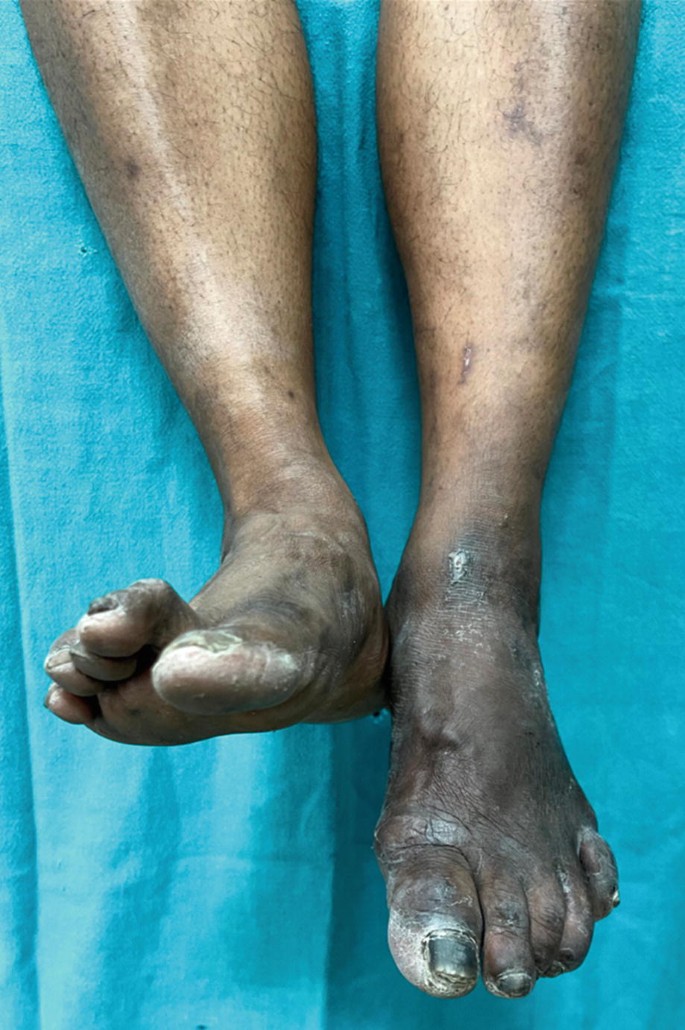
Hansen’s disease, commonly known as leprosy, is a chronic infectious disease caused by the bacterium Mycobacterium leprae. It mainly affects the skin, peripheral nerves, eyes, and mucous membranes.
If not treated early, it can cause nerve damage leading to loss of sensation and muscle weakness, resulting in deformities of hands and feet. These deformities may lead to locomotor impairment.
Causes
The disease is caused by Mycobacterium leprae infection. It spreads mainly through prolonged close contact with an untreated infected person, usually via respiratory droplets. It is not highly contagious and is completely curable with proper treatment.
Effects on Locomotor Function
Damage to peripheral nerves leads to:
- Loss of sensation in hands and feet
- Muscle paralysis and weakness
- Claw hand deformity
- Foot drop
- Shortening of fingers and toes
- Ulcers due to repeated injury without pain sensation
These conditions impair grasping, walking, and daily living activities.
Educational and Functional Implications
Children affected by Hansen’s disease may have:
- Difficulty writing or holding objects
- Difficulty walking or maintaining balance
- Reduced participation in physical activities
- Social stigma and emotional problems
Teachers should ensure supportive seating, adaptive devices, and inclusion in classroom activities.
Management and Support
Hansen’s disease is completely treatable through Multi-Drug Therapy (MDT). Early treatment prevents deformity. Rehabilitation measures include:
- Physiotherapy
- Splints and orthotic devices
- Protective footwear
- Reconstructive surgery in severe cases
- Inclusive education support
Arthritis
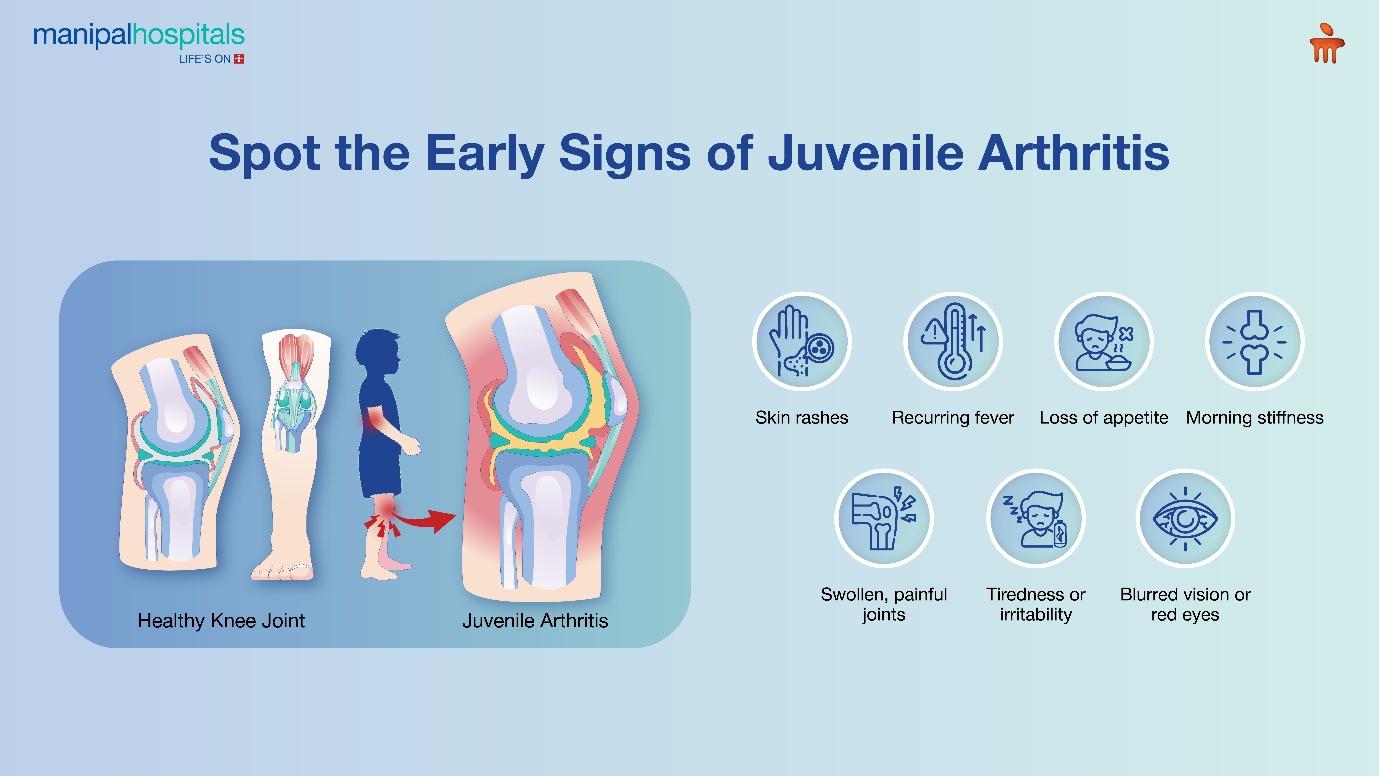


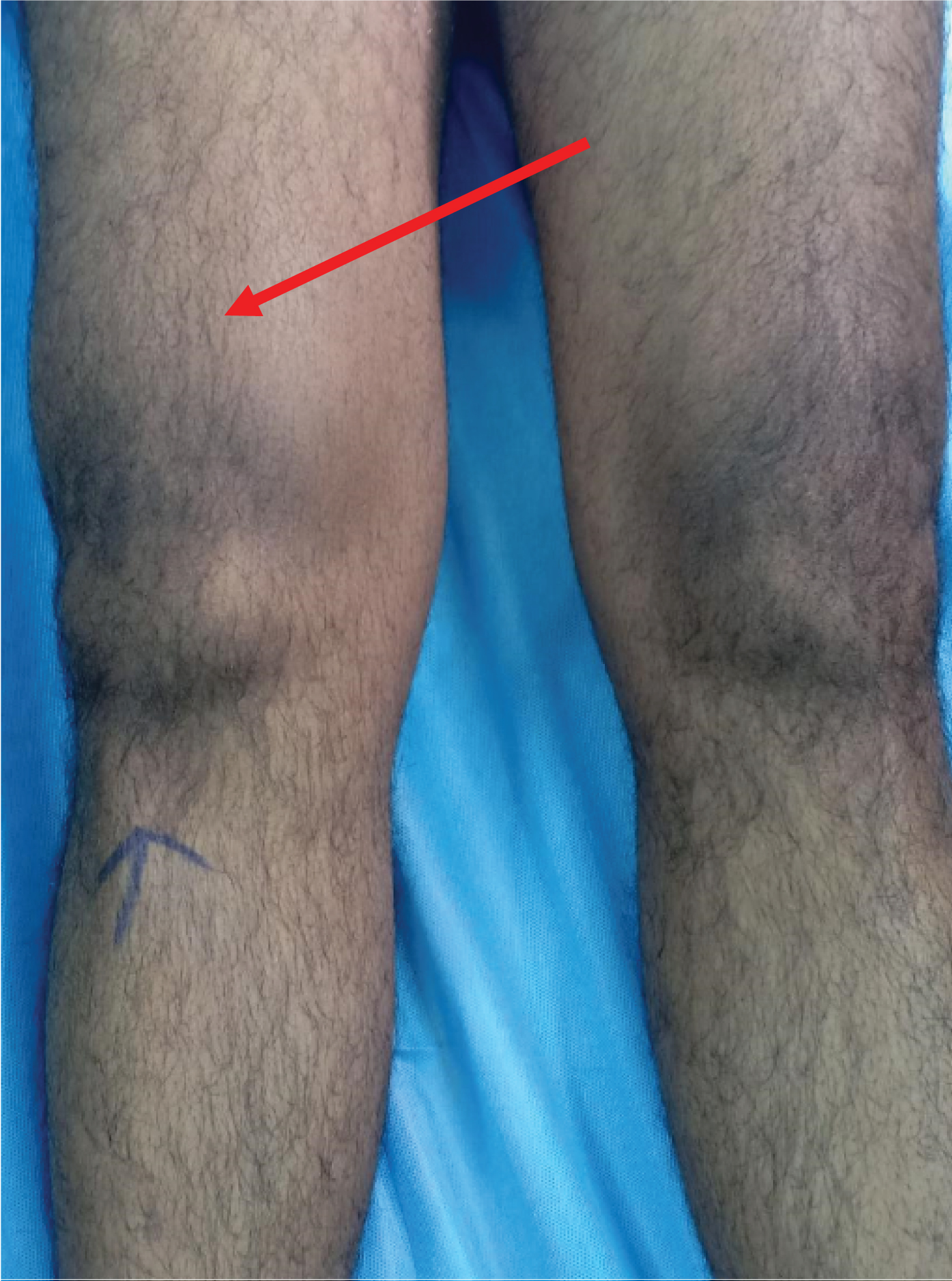
Arthritis refers to inflammation of joints, causing pain, stiffness, and restricted movement. In children, the most common type is Juvenile Idiopathic Arthritis (JIA). Chronic arthritis can lead to locomotor impairment due to joint damage and deformity.
Causes
The exact cause varies depending on type:
- Autoimmune reaction (most common in rheumatoid arthritis)
- Infection
- Genetic predisposition
- Metabolic disorders
In children, autoimmune inflammation of joint lining is the major cause.
Effects on Locomotor Function
Inflammation damages joints, resulting in:
- Pain during movement
- Joint stiffness, especially in morning
- Swelling of knees, wrists, ankles, fingers
- Reduced range of motion
- Joint deformity in severe cases
- Difficulty walking, running, or writing
Long-term arthritis can cause permanent locomotor disability.
Educational and Functional Implications
Children with arthritis may experience:
- Difficulty sitting for long time
- Slow writing due to hand stiffness
- Fatigue and pain during activities
- Reduced participation in sports
- Absenteeism during flare-ups
Teachers should allow flexible seating, extra time for writing, and rest breaks.
Management and Support
Although arthritis may not be completely curable, it can be managed effectively through:
- Anti-inflammatory medicines
- Physiotherapy and exercise
- Joint protection techniques
- Assistive devices (modified pens, splints)
- Occupational therapy
- Inclusive classroom adaptations
Early treatment prevents joint deformity and locomotor impairment.
Kyphosis
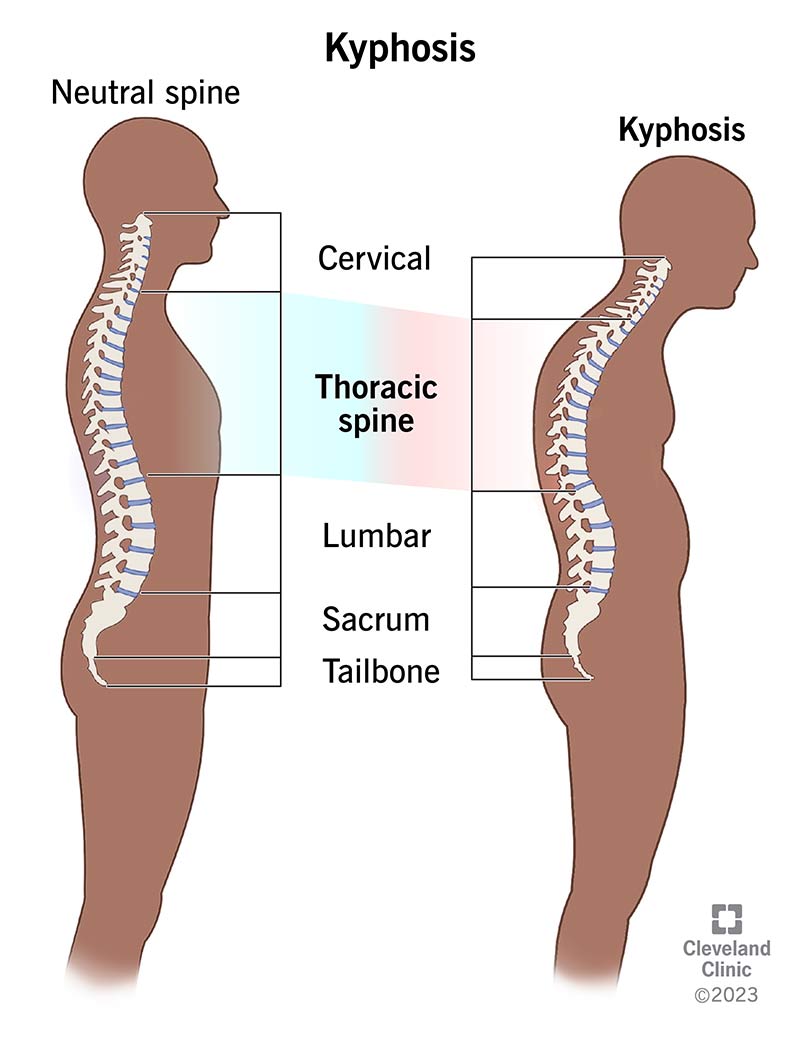
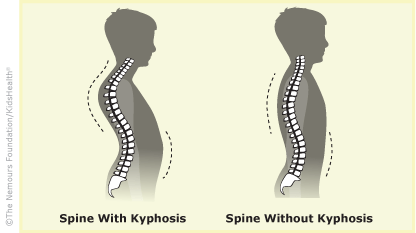

Kyphosis is a postural deformity of the spine in which the upper back bends forward excessively, producing a rounded or hump-like appearance. It occurs mainly in the thoracic (upper) region of the spine. Mild kyphosis may only affect posture, but severe kyphosis can cause locomotor difficulty.
Causes
Kyphosis may develop due to:
- Congenital malformation of vertebrae
- Poor posture over long period
- Muscular weakness
- Spinal tuberculosis or infection
- Rickets or osteoporosis
- Trauma or spinal injury
In children, nutritional deficiency and postural habits are common causes.
Effects on Locomotor Function
Spinal curvature alters body alignment and movement, leading to:
- Forward bending posture
- Back pain and stiffness
- Reduced flexibility of spine
- Difficulty in standing erect
- Fatigue during walking or sitting
- Breathing difficulty in severe cases
Severe kyphosis affects balance and mobility, causing locomotor impairment.
Educational and Functional Implications
A child with kyphosis may have:
- Difficulty sitting straight in classroom
- Early fatigue during activities
- Reduced participation in sports
- Self-consciousness due to posture
Teachers should provide supportive seating and encourage proper posture.
Management and Support
Kyphosis can often be corrected or controlled if treated early:
- Postural training and exercises
- Physiotherapy
- Back brace (orthotic support)
- Treatment of underlying disease
- Surgery in severe deformity
Scoliosis
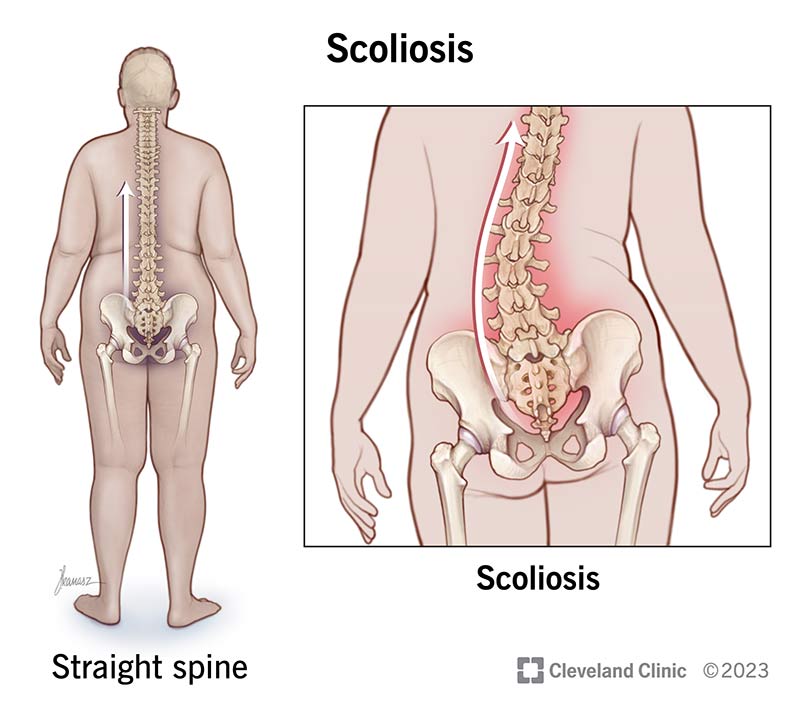
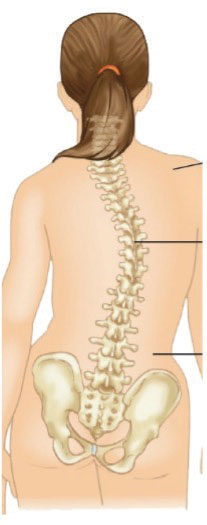
Scoliosis is a spinal deformity in which the spine curves sideways (lateral curvature), forming an “S” or “C” shape when viewed from the back. It may involve rotation of vertebrae and asymmetry of shoulders or hips. Severe scoliosis affects locomotor ability.
Causes
Scoliosis may be:
- Congenital (abnormal vertebral formation)
- Neuromuscular (cerebral palsy, muscular dystrophy)
- Idiopathic (unknown cause; most common in children)
- Due to leg length difference
- Result of poor posture or muscle imbalance
Effects on Locomotor Function
Lateral curvature disturbs body symmetry and balance:
- Uneven shoulders or hips
- Tilted posture
- Back pain
- Reduced spinal mobility
- Difficulty maintaining balance
- Fatigue while standing or walking
- Breathing difficulty in severe curvature
Severe scoliosis interferes with locomotor coordination and endurance.
Educational and Functional Implications
Children with scoliosis may show:
- Difficulty sitting straight on bench
- Discomfort during long sitting
- Reduced physical endurance
- Psychological distress about body shape
Classroom seating and posture support are important.
Management and Support
Early detection is essential for correction:
- Physiotherapy and posture exercises
- Spinal brace (orthosis)
- Monitoring of curvature growth
- Surgical correction in severe cases
- Adaptive seating support
Rickets
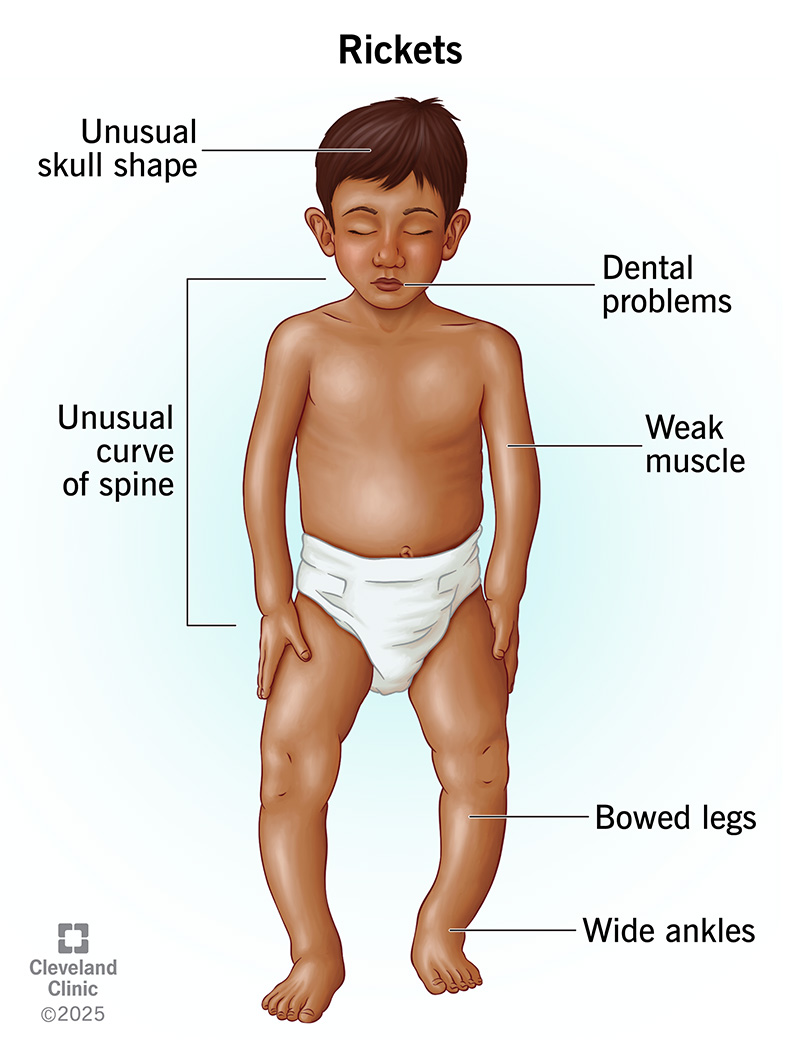
Rickets is a childhood bone disorder caused by deficiency of vitamin D, calcium, or phosphate. Due to poor mineralization, bones become soft and weak, leading to deformities. These skeletal deformities cause locomotor impairment.


Causes
Rickets develops due to:
- Vitamin D deficiency (most common)
- Lack of sunlight exposure
- Poor nutrition
- Malabsorption disorders
- Kidney or metabolic disorders
Vitamin D deficiency reduces calcium absorption, weakening bones.
Effects on Locomotor Function
Weak bones deform under body weight:
- Bowed legs (genu varum)
- Knock knees (genu valgum)
- Bone pain and tenderness
- Delayed walking
- Muscle weakness
- Short stature
- Spinal and pelvic deformities
These deformities affect walking, standing, and posture.
Educational and Functional Implications
Children with rickets may have:
- Delayed motor development
- Difficulty walking or running
- Frequent falls
- Reduced participation in play
- Fatigue during movement
They may need physical support and activity modification.
Management and Support
Rickets is preventable and treatable:
- Vitamin D supplementation
- Calcium-rich diet
- Adequate sunlight exposure
- Physiotherapy
- Orthopedic correction of deformity
- Braces or surgery in severe cases
Early treatment prevents permanent locomotor disability.
1.4 Neurological impairment- encephalitis, meningitis, head injury, Motor Neuron Disease, Mucopoly sacchridosis, Inborn Errors of Metabolism (IEM), Chromosomal abnormality
Neurological impairment refers to damage, dysfunction, or abnormal development of the nervous system that affects a person’s movement, sensation, cognition, communication, behavior, or bodily regulation. The nervous system consists of the central nervous system (brain and spinal cord) and peripheral nervous system (nerves). When these structures are affected by infection, trauma, genetic disorder, metabolic disorder, or chromosomal abnormality, neurological impairment occurs.
In children, neurological impairment often results in developmental delay and may lead to multiple disabilities. Depending on the affected brain areas, children may experience intellectual disability, motor impairment, epilepsy, sensory loss, communication disorder, behavioral difficulties, or learning disability.
Neurological impairments may be congenital (present at birth) or acquired (develop after birth). Many conditions such as encephalitis, meningitis, metabolic disorders, and chromosomal abnormalities are important causes of multiple disabilities in childhood.
Encephalitis
Encephalitis is inflammation of the brain tissue, usually caused by viral infection. It is a serious neurological condition that can damage neurons and disrupt brain function.
Causes of Encephalitis
The most common cause is viral infection. Important viruses include:
- Japanese encephalitis virus
- Herpes simplex virus
- Measles virus
- Mumps virus
- Enteroviruses
- Arboviruses
In some cases, encephalitis occurs due to autoimmune reaction, where the immune system mistakenly attacks brain tissue (autoimmune encephalitis).
Pathophysiology
The virus enters the body, reaches the bloodstream, and crosses the blood–brain barrier. It infects brain cells, causing inflammation, swelling, and neuronal damage. Increased intracranial pressure and neuronal destruction lead to neurological deficits.
Signs and Symptoms
Symptoms vary depending on the affected brain region and severity.
Common symptoms:
- High fever
- Severe headache
- Vomiting
- Seizures
- Altered consciousness
- Confusion
- Drowsiness
- Weakness or paralysis
- Speech difficulty
- Behavioral changes
Infants may show:
- Irritability
- Poor feeding
- Bulging fontanelle
- Abnormal cry
Severe cases may lead to coma.
Neurological and Developmental Outcomes
Brain inflammation may damage motor cortex, sensory areas, language centers, and cognitive regions. Children may develop:
- Intellectual disability
- Epilepsy
- Cerebral palsy–like motor impairment
- Speech and language disorder
- Hearing or vision impairment
- Learning disability
- Behavioral problems
Therefore, encephalitis is a major cause of acquired multiple disability.
Educational Implications
Children recovering from encephalitis require multidisciplinary support:
- Individualized Education Plan (IEP)
- Physiotherapy for motor deficits
- Occupational therapy for functional skills
- Speech and language therapy
- Cognitive and memory training
- Behavior therapy
- Assistive devices if needed
- Inclusive or special school placement based on severity
Early rehabilitation improves functional outcome.
Meningitis
Meningitis is inflammation of the meninges, the protective membranes covering the brain and spinal cord. It is caused by infection and may produce severe neurological complications.
Bacterial meningitis is particularly dangerous and can cause permanent disability or death if untreated.
Causes of Meningitis
Major causes include:
Bacterial meningitis:
- Neisseria meningitidis
- Streptococcus pneumoniae
- Haemophilus influenzae
- Group B Streptococcus (newborns)
Viral meningitis:
- Enteroviruses
- Mumps virus
- Herpes viruses
Other causes:
- Tuberculosis (TB meningitis)
- Fungal infection (rare)
Young children and infants are most vulnerable.
Pathophysiology
Infection reaches meninges through bloodstream or nearby infection (ear, sinus). Inflammation causes swelling, increased intracranial pressure, reduced blood flow, and possible brain tissue damage. Nerves emerging from the brain may also be affected.
Signs and Symptoms
Classic symptoms:
- High fever
- Severe headache
- Neck stiffness
- Vomiting
- Sensitivity to light
- Seizures
- Altered consciousness
Infants show:
- Bulging fontanelle
- Irritability
- Poor feeding
- Weak cry
- Lethargy
Neurological Complications
Meningitis may lead to:
- Sensorineural hearing loss
- Visual impairment
- Intellectual disability
- Epilepsy
- Hydrocephalus
- Motor impairment
- Speech disorder
- Learning disability
Because multiple brain functions may be affected, children often develop multiple disabilities.
Educational Implications
Educational planning depends on the impairment profile:
- Hearing assessment and hearing aids/cochlear implant
- Visual aids and orientation training
- Special education for cognitive delay
- Speech and language therapy
- Physiotherapy for motor deficits
- Classroom accommodations
- Individualized learning strategies
Early intervention is critical to minimize developmental loss.
Head Injury (Traumatic Brain Injury)
Head injury, also called traumatic brain injury (TBI), refers to damage to the brain caused by external physical force such as accident, fall, or violence. It is a major cause of acquired neurological impairment in children.
Causes of Head Injury in Children
Common causes include:
- Road traffic accidents
- Falls from height
- Sports injuries
- Physical abuse
- Domestic accidents
Types of Brain Injury
Head injury may involve:
- Concussion (temporary brain dysfunction)
- Contusion (brain bruising)
- Skull fracture
- Intracranial hemorrhage
- Diffuse axonal injury
Severity may be mild, moderate, or severe.
Signs and Symptoms
Mild injury:
- Headache
- Dizziness
- Nausea
- Brief confusion
Moderate to severe injury:
- Loss of consciousness
- Seizures
- Memory loss
- Weakness or paralysis
- Poor coordination
- Speech impairment
- Behavior changes
- Cognitive impairment
Long-Term Neurological Effects
Brain damage may affect multiple functional areas:
Motor areas → paralysis, spasticity, poor balance
Frontal lobe → attention deficit, impulsivity, behavior problems
Temporal lobe → memory and language impairment
Parietal lobe → sensory and spatial difficulties
Diffuse injury → intellectual disability
Thus, traumatic brain injury frequently leads to multiple disabilities.
Educational Implications
Children with TBI may need:
- Neuropsychological assessment
- Cognitive rehabilitation
- Memory and attention training
- Behavior management
- Physiotherapy and occupational therapy
- Speech therapy
- Modified curriculum
- Extra time and structured learning
- Individualized Education Plan
Return to school should be gradual and monitored.
Motor Neuron Disease
Motor neuron disease (MND) refers to a group of progressive neurological disorders that affect motor neurons, the nerve cells responsible for controlling voluntary muscle movement. Motor neurons originate in the brain and spinal cord and transmit signals to muscles. When these neurons degenerate, muscles become weak and wasted.
In children, the most relevant motor neuron disease is Spinal Muscular Atrophy (SMA).
Causes
Most childhood motor neuron diseases are genetic disorders. In spinal muscular atrophy, mutation of the SMN1 (Survival Motor Neuron) gene leads to degeneration of lower motor neurons in the spinal cord.
The disorder is inherited in an autosomal recessive pattern, meaning both parents carry the defective gene.
Pathophysiology
Degeneration of motor neurons prevents nerve impulses from reaching muscles. As a result:
- Muscles become weak
- Muscle wasting (atrophy) occurs
- Reflexes decrease
- Movement becomes limited
Sensory function and intelligence are usually preserved in many cases of SMA.
Signs and Symptoms
Symptoms vary with severity and type:
- Progressive muscle weakness
- Poor head control (infants)
- Difficulty sitting or walking
- Reduced muscle tone (floppiness)
- Muscle wasting
- Fasciculations (muscle twitching)
- Difficulty swallowing
- Respiratory weakness
Severe forms begin in infancy, while milder forms appear later.
Functional and Developmental Impact
Motor neuron disease mainly affects motor function:
- Delayed motor milestones
- Loss of previously acquired movement
- Difficulty in mobility and self-care
- Fatigue and reduced endurance
If severe, respiratory problems may occur. Cognitive abilities are generally normal, but physical limitations may restrict participation in education and daily activities.
Educational Implications
Children with motor neuron disease require:
- Physical accessibility in school
- Wheelchair and mobility aids
- Assistive devices for writing or computer use
- Occupational therapy for functional independence
- Physiotherapy to maintain muscle strength
- Fatigue management and rest breaks
- Inclusive education with physical support
Because intelligence is usually intact, academic expectations should remain appropriate to age.
Mucopolysaccharidosis (MPS)
Mucopolysaccharidosis (MPS) is a group of inherited metabolic disorders caused by deficiency of enzymes required to break down mucopolysaccharides (glycosaminoglycans). These substances accumulate in tissues and organs, causing progressive damage including neurological impairment.
Examples include:
- Hurler syndrome (MPS I)
- Hunter syndrome (MPS II)
- Sanfilippo syndrome (MPS III)
- Morquio syndrome (MPS IV)
Causes
MPS is a genetic disorder caused by mutation of genes coding for lysosomal enzymes. Most types are autosomal recessive, while Hunter syndrome is X-linked recessive.
Because enzymes are absent or deficient, mucopolysaccharides accumulate in:
- Brain
- Bones
- Liver
- Heart
- Connective tissue
Pathophysiology
Accumulation of glycosaminoglycans in cells causes:
- Tissue enlargement
- Organ dysfunction
- Skeletal deformity
- Progressive neurological damage
Brain involvement leads to cognitive decline and developmental delay.
Signs and Symptoms
Common features:
- Coarse facial features
- Short stature
- Joint stiffness
- Skeletal deformities
- Enlarged liver and spleen
- Hearing loss
- Vision problems
- Heart disease
Neurological features:
- Developmental delay
- Intellectual disability
- Behavioral problems
- Speech delay
- Progressive cognitive decline
Some types show severe neurodegeneration.
Functional Impact
Children with MPS may develop:
- Multiple disabilities
- Motor limitations
- Cognitive impairment
- Sensory impairments
- Communication difficulties
Progressive nature means abilities may decline over time.
Educational Implications
Educational planning must consider progressive disability:
- Special education support
- Speech and language therapy
- Visual and hearing aids
- Mobility support
- Adaptive seating and positioning
- Functional skill training
- Structured and simplified learning
- Parent counseling
Support should focus on maximizing functional independence and quality of life.
Inborn Errors of Metabolism (IEM)
Inborn errors of metabolism are genetic disorders in which the body cannot properly metabolize certain nutrients due to enzyme deficiency. Toxic substances accumulate or essential substances are deficient, leading to neurological damage.
Examples include:
- Phenylketonuria (PKU)
- Maple syrup urine disease
- Tay–Sachs disease
- Galactosemia
- Urea cycle disorders
Many IEMs cause severe neurological impairment if untreated.
Causes
IEMs result from mutation of genes coding for metabolic enzymes. Most are inherited in autosomal recessive pattern.
Because metabolic pathways are blocked:
- Toxic metabolites accumulate
- Energy production is impaired
- Brain cells are damaged
Pathophysiology
The developing brain is highly sensitive to metabolic imbalance. Accumulated toxins or lack of essential substrates leads to:
- Neuronal injury
- Demyelination
- Brain degeneration
- Developmental delay
Some disorders cause progressive neurodegeneration.
Signs and Symptoms
Symptoms vary by disorder but may include:
- Developmental delay
- Intellectual disability
- Seizures
- Hypotonia or spasticity
- Feeding difficulty
- Vomiting
- Abnormal movements
- Behavioral problems
- Regression of skills
Some disorders show characteristic odor or physical signs (e.g., PKU).
Functional Impact
Untreated metabolic disorders often lead to:
- Severe intellectual disability
- Motor impairment
- Speech disorder
- Sensory deficits
- Multiple disabilities
Early detection through newborn screening can prevent disability in some conditions (e.g., PKU).
Educational Implications
Children with IEM require:
- Special education programs
- Cognitive stimulation
- Speech therapy
- Physiotherapy
- Dietary management (medical diet)
- Behavior support
- Life-skill training
Educational plans must consider medical needs and possible progression.
Chromosomal Abnormality
Chromosomal abnormalities are genetic conditions caused by changes in chromosome number or structure. These abnormalities affect brain development and often lead to intellectual disability and multiple disabilities.
Common chromosomal disorders associated with neurological impairment include:
- Down syndrome (Trisomy 21)
- Turner syndrome
- Fragile X syndrome
- Cri du chat syndrome
Causes
Chromosomal abnormalities occur due to:
- Extra chromosome (trisomy)
- Missing chromosome (monosomy)
- Deletion of chromosome segment
- Translocation
- Mutation in chromosome structure
These changes disrupt normal gene expression during development.
Pathophysiology
Abnormal chromosome content affects:
- Brain development
- Neuronal migration
- Synapse formation
- Neurotransmitter systems
This results in intellectual disability and neurological dysfunction.
Signs and Symptoms
Although features vary by syndrome, common neurological and developmental signs include:
- Intellectual disability
- Developmental delay
- Hypotonia
- Speech and language delay
- Learning disability
- Behavioral problems
- Congenital anomalies
- Sensory impairment
Example: Down syndrome shows hypotonia, intellectual disability, and delayed speech.
Functional Impact
Children with chromosomal abnormalities often have:
- Cognitive impairment
- Motor delay
- Communication difficulty
- Social adaptation problems
- Learning difficulties
Severity varies widely.
Educational Implications
Educational planning should include:
- Early intervention programs
- Special education support
- Speech and language therapy
- Occupational therapy
- Physiotherapy
- Social skill training
- Structured teaching methods
- Individualized Education Plan
Many children benefit from inclusive education with support services.
1.5 Deafblindness and additional conditions with special reference to syndromes like Congenital Rubella Syndrome, Usher Syndrome and CHARGE syndrome, dwarfism,and combinations of conditions like ASD associated with physical disabilities and
highlighting the primary characteristics, challenges associated with each type
Meaning of Deafblindness
Deafblindness is a condition in which a person has combined hearing and visual impairments. The loss of both senses creates unique communication, mobility, and learning needs that are different from having only hearing impairment or only visual impairment.
Deafblindness does not always mean complete deafness and blindness. Many individuals have some residual hearing or vision, but the combined loss still significantly affects daily functioning and development.
In children, deafblindness affects:
- Language development
- Communication skills
- Social interaction
- Orientation and mobility
- Cognitive learning
Because vision and hearing are the two main distance senses, their combined impairment makes it difficult for the child to understand the environment.
Causes of Deafblindness
Deafblindness can occur due to several prenatal, perinatal, or postnatal factors.
Prenatal causes (before birth):
- Congenital infections (rubella, cytomegalovirus, toxoplasmosis)
- Genetic syndromes (Usher syndrome, CHARGE syndrome)
- Chromosomal abnormalities
- Maternal illness during pregnancy
Perinatal causes (during birth):
- Birth asphyxia
- Prematurity
- Low birth weight
- Neonatal infections
Postnatal causes (after birth):
- Meningitis
- Severe head injury
- Encephalitis
- Progressive syndromes
Types of Deafblindness
Children with deafblindness may have different combinations of sensory loss:
- Congenital deafblindness (present at birth)
- Acquired deafblindness (developed later)
- Progressive deafblindness (worsens over time)
Example: Usher syndrome often causes progressive vision loss after congenital hearing loss.
Primary Characteristics of Children with Deafblindness
Children with deafblindness show characteristics related to sensory loss, communication difficulty, and environmental interaction.
Communication Characteristics
- Delayed or absent speech and language
- Limited use of gestures or signs
- Difficulty understanding spoken language
- Reliance on touch-based communication
- Echolalia or vocalizations without meaning
Social and Emotional Characteristics
- Difficulty bonding and interaction
- Social withdrawal
- Limited eye contact
- Self-stimulatory behaviours (rocking, hand flapping)
- Frustration due to communication barriers
Cognitive and Learning Characteristics
- Delayed concept development
- Difficulty understanding cause-effect
- Limited exploration of environment
- Slow learning through imitation
- Need for concrete experiences
Motor and Orientation Characteristics
- Poor balance and coordination
- Delayed walking
- Fear of movement
- Difficulty navigating surroundings
- Dependence on assistance
Challenges Associated with Deafblindness
Deafblindness creates complex developmental barriers.
Communication Challenges
Children cannot easily access spoken language or visual communication. This leads to:
- Language delay
- Limited vocabulary
- Difficulty expressing needs
- Behavioural frustration
Educational Challenges
Traditional teaching relies on hearing and vision. Deafblind learners need:
- Tactile communication
- Individualized instruction
- Multi-sensory teaching
- Specialized materials
Social Challenges
Lack of communication reduces social participation:
- Isolation
- Limited peer interaction
- Dependency on caregivers
- Emotional insecurity
Mobility Challenges
Children cannot rely on visual or auditory cues:
- Difficulty locating objects
- Risk of injury
- Need for orientation training
- Dependence on guides
Additional Conditions Associated with Deafblindness
Many children with deafblindness also have additional disabilities. These may be due to syndromes, neurological damage, or developmental disorders.
Common associated conditions include:
- Intellectual disability
- Autism spectrum disorder
- Cerebral palsy
- Motor impairments
- Health problems
- Genetic syndromes
These additional conditions increase complexity of needs and support requirements.
Deafblindness Associated with Syndromes
Certain genetic or congenital syndromes frequently cause combined hearing and vision impairment. These syndromes are major causes of deafblindness in children.
Important syndromes include:
- Congenital Rubella Syndrome (CRS)
- Usher Syndrome
- CHARGE Syndrome
These syndromes often involve multiple body systems, not only sensory organs.
Introduction to Congenital Rubella Syndrome (CRS)
Congenital Rubella Syndrome occurs when a pregnant mother is infected with rubella virus, especially during the first trimester. The virus crosses the placenta and damages the developing fetus.
CRS is a major preventable cause of deafblindness worldwide.
Children with CRS commonly show:
- Hearing impairment
- Visual impairment
- Heart defects
- Developmental delay
The sensory impairments often lead to deafblindness.
Introduction to Usher Syndrome
Usher syndrome is a genetic disorder characterized by:
- Congenital hearing loss
- Progressive vision loss due to retinitis pigmentosa
- Possible balance problems
Children are born with hearing impairment and gradually lose vision during childhood or adolescence. This progressive nature leads to deafblindness over time.
Introduction to CHARGE Syndrome
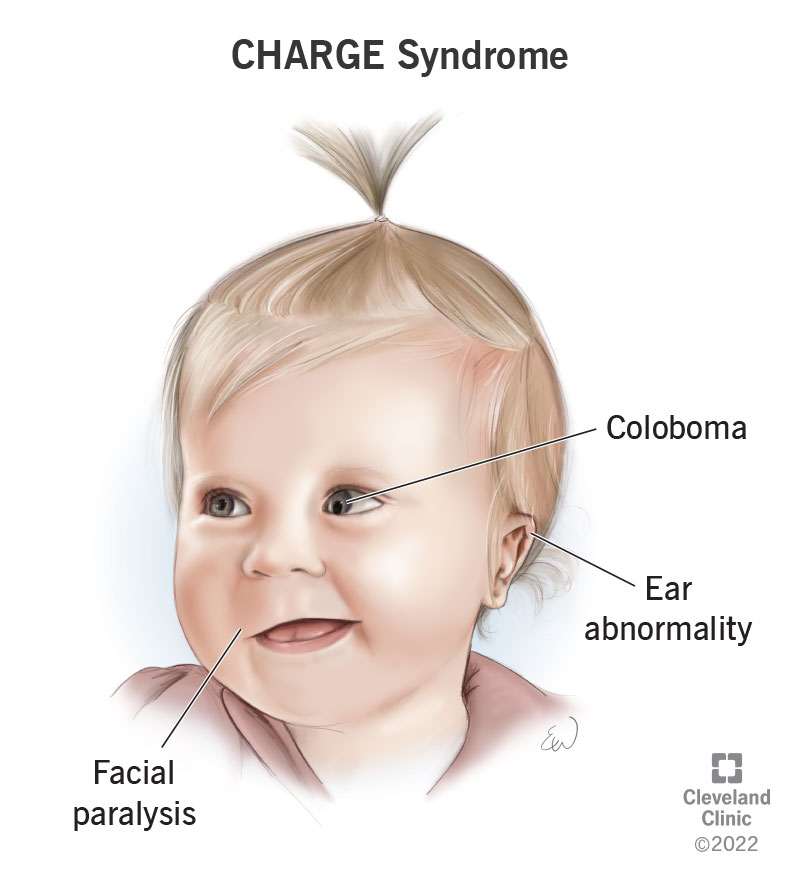
CHARGE syndrome is a complex genetic condition affecting multiple organs. The name CHARGE represents major features:
- C – Coloboma (eye defect)
- H – Heart defect
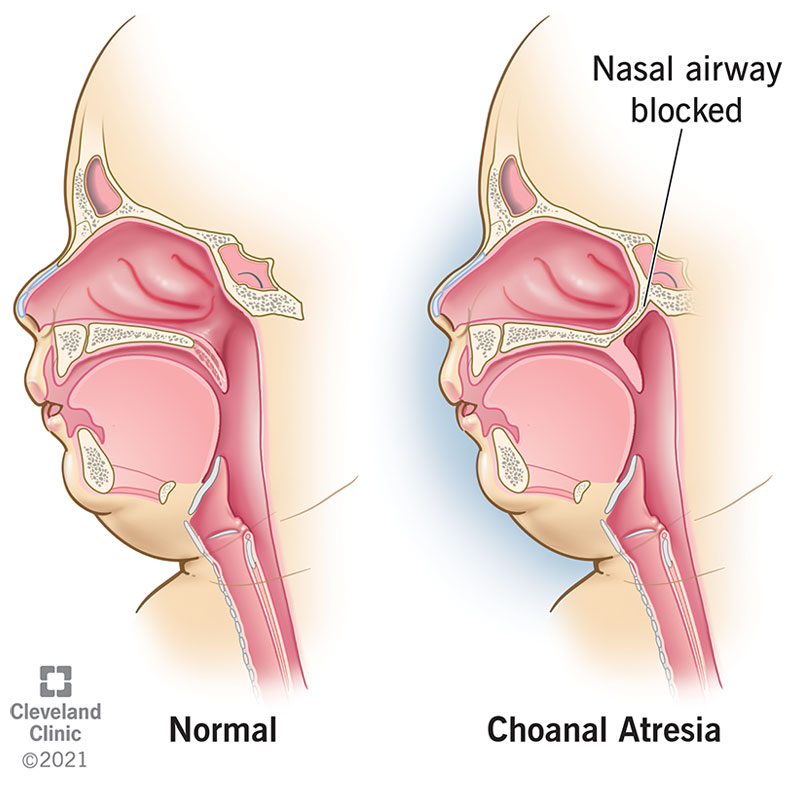
- A – Atresia of choanae (blocked nasal passage)
- R – Retardation of growth/development
- G – Genital anomalies
- E – Ear abnormalities
Many children with CHARGE have both hearing and vision impairments, resulting in deafblindness.
Congenital Rubella Syndrome (CRS)

4
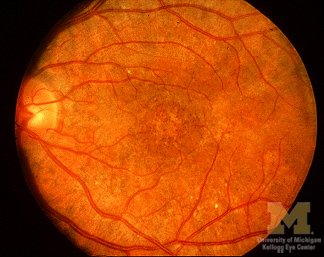
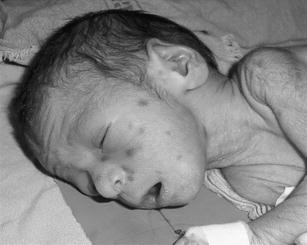
Congenital Rubella Syndrome is a condition that occurs when a pregnant woman is infected with rubella (German measles), particularly during the first trimester of pregnancy. The rubella virus crosses the placenta and interferes with fetal organ development.
CRS is one of the most important preventable causes of deafblindness in children. Vaccination against rubella has greatly reduced its occurrence in many countries, but it still exists in areas with low immunization coverage.
Primary Characteristics of CRS
Children with CRS usually show a combination of sensory, physical, and developmental impairments.
Hearing Characteristics
- Sensorineural hearing loss (most common feature)
- Usually bilateral and permanent
- May range from moderate to profound
- Affects speech and language development
Visual Characteristics
- Cataract (clouding of lens)
- Retinopathy (damage to retina)
- Microphthalmia (small eyes)
- Glaucoma
- Visual impairment or blindness
Cardiac Characteristics
- Congenital heart defects (e.g., patent ductus arteriosus)
- Heart murmurs
- Circulation problems
- Reduced physical stamina
Neurological and Developmental Characteristics
- Developmental delay
- Intellectual disability
- Microcephaly (small head size)
- Poor motor development
Other Physical Features
- Low birth weight
- Growth retardation
- Enlarged liver or spleen
- Bone abnormalities
Challenges Associated with CRS
Communication Challenges
Combined hearing and vision impairment limits language development. Children often require tactile and visual communication approaches.
Health and Medical Challenges
Multiple organ involvement leads to frequent medical care, surgeries (cataract, heart), and monitoring.
Learning Challenges
Developmental delay and sensory loss slow cognitive learning and concept formation.
Mobility Challenges
Visual impairment and heart weakness may reduce physical activity and independence.
Social Challenges
Children may have limited interaction and dependence on caregivers due to multiple disabilities.
Usher Syndrome


Usher syndrome is a hereditary genetic disorder characterized by congenital hearing loss and progressive vision loss due to retinitis pigmentosa (RP). It is the most common genetic cause of deafblindness.
Vision loss in Usher syndrome occurs gradually, often beginning with night blindness and peripheral vision loss, leading to tunnel vision and possibly blindness.
Types of Usher Syndrome
Type I
- Profound congenital deafness
- Early onset retinitis pigmentosa (childhood)
- Severe balance problems
- Delayed walking
Type II
- Moderate to severe hearing loss at birth
- Vision loss begins in adolescence
- Normal balance
Type III
- Progressive hearing loss
- Progressive vision loss
- Variable balance problems
Primary Characteristics of Usher Syndrome
Hearing Characteristics
- Congenital sensorineural hearing loss
- Difficulty understanding speech
- Need for hearing aids or cochlear implant
- Speech development delay
Visual Characteristics
- Night blindness (first symptom)
- Peripheral vision loss
- Tunnel vision
- Sensitivity to light
- Progressive blindness
Motor and Balance Characteristics
- Poor balance (especially Type I)
- Delayed sitting and walking
- Clumsiness
- Difficulty in dark environments
Challenges Associated with Usher Syndrome
Progressive Sensory Loss
Children initially function as deaf or hard of hearing, but later face vision loss. This requires constant adaptation in communication and education.
Educational Challenges
Students must shift from auditory/visual learning to tactile or mobility-based learning as vision declines.
Emotional Challenges
Progressive blindness may cause anxiety, fear, depression, and identity challenges.
Mobility Challenges
Peripheral vision loss reduces spatial awareness, causing accidents and navigation difficulty.
Social Challenges
Reduced ability to recognize faces, gestures, and social cues.
CHARGE Syndrome

4
CHARGE syndrome is a rare genetic disorder caused mainly by mutation in the CHD7 gene. It affects multiple organ systems and often results in deafblindness due to combined eye and ear abnormalities.
The name CHARGE represents the major clinical features.
Primary Characteristics of CHARGE Syndrome
Eye Characteristics (Coloboma)
- Gap or hole in eye structure
- Visual impairment
- Light sensitivity
- Field defects
Ear and Hearing Characteristics
- Malformed outer ear
- Middle/inner ear abnormalities
- Conductive or sensorineural hearing loss
- Deafness in severe cases
Nasal Characteristics
- Choanal atresia (blocked nasal passage)
- Breathing difficulty in infancy
- Feeding problems
Growth and Development
- Growth retardation
- Developmental delay
- Intellectual disability
Heart Defects
- Congenital heart disease
- Circulation problems
Genital and Hormonal Issues
- Underdeveloped genital organs
- Delayed puberty
Balance and Vestibular Problems
- Inner ear defects affect balance
- Delayed motor milestones
- Poor coordination
Challenges Associated with CHARGE Syndrome
Multiple Sensory Loss
Combined hearing and vision impairment creates deafblindness.
Medical Complexity
Children often require surgeries, feeding support, and ongoing medical monitoring.
Communication Challenges
Severe hearing loss plus visual impairment makes language development difficult.
Motor and Mobility Challenges
Balance disorders and low muscle tone delay movement and independence.
Learning Challenges
Developmental delay and sensory impairment affect cognition and education.
Behavioural and Social Challenges
Children may show:
- Sensory defensiveness
- Self-stimulation
- Attachment difficulties
- Anxiety
Deafblindness with Dwarfism
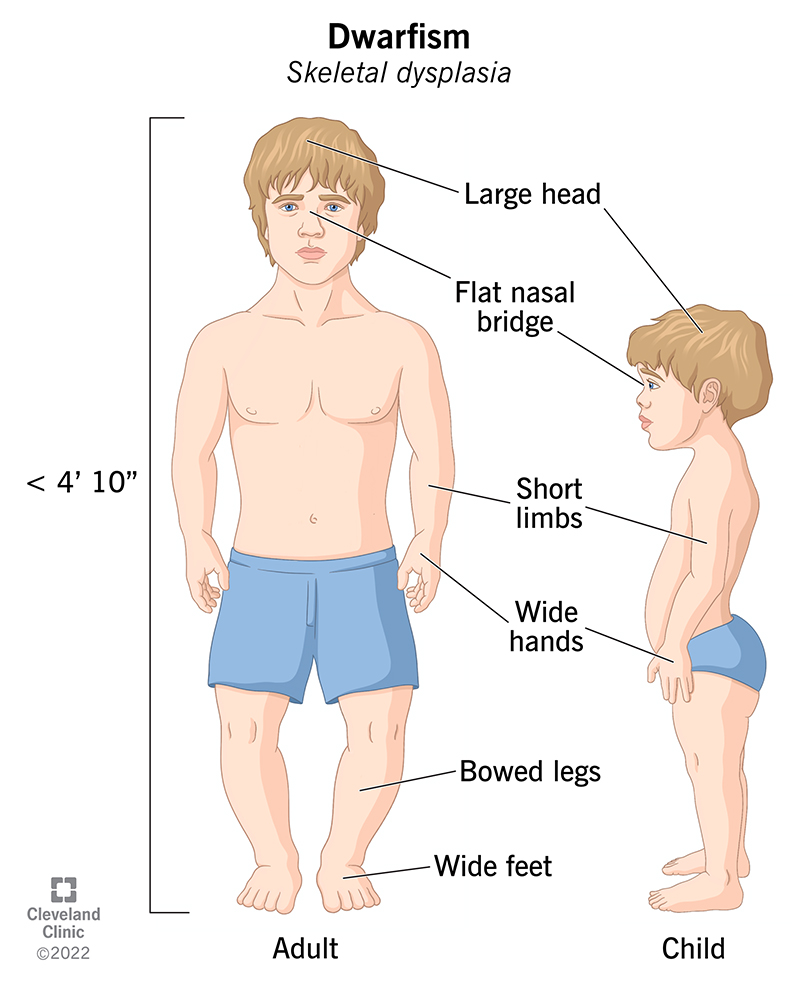

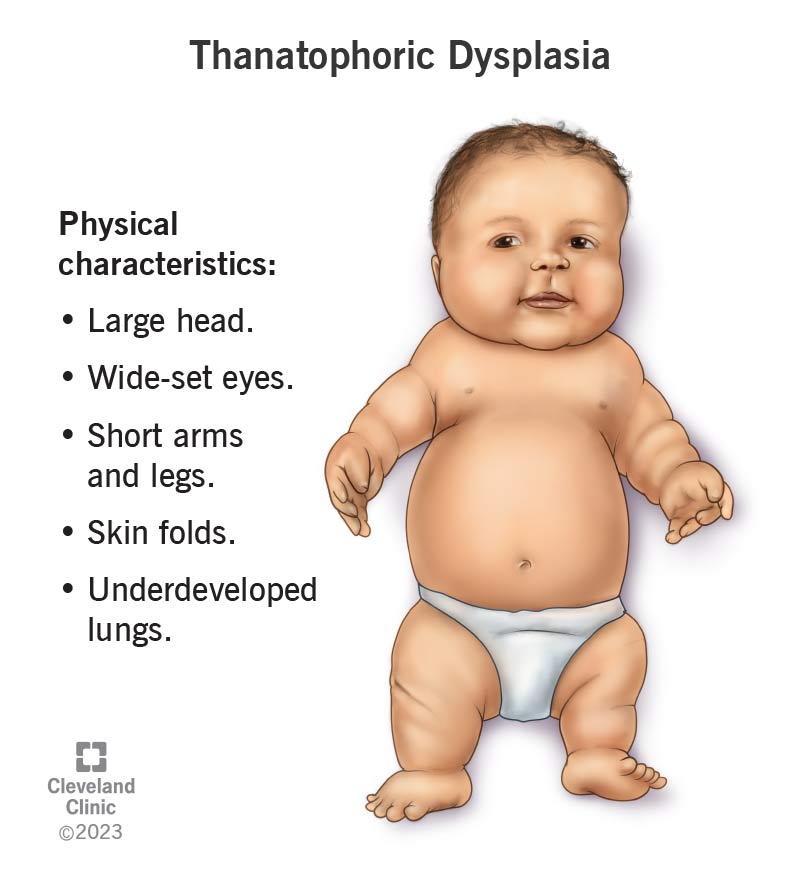
4
Dwarfism is a medical condition characterized by short stature due to genetic or medical causes affecting bone growth. When dwarfism occurs along with hearing and visual impairments, the child may present with complex multiple disabilities including deafblindness.
The most common form of dwarfism is achondroplasia, but other skeletal dysplasias may also involve sensory impairments.
Primary Characteristics of Dwarfism with Deafblindness
Physical Characteristics
- Short stature (height significantly below average)
- Short limbs relative to trunk
- Large head with prominent forehead
- Joint deformities or curvature
- Delayed motor development
Hearing Characteristics
- Conductive hearing loss due to ear structure anomalies
- Recurrent ear infections
- Possible permanent hearing impairment
Visual Characteristics
- Refractive errors
- Strabismus (squint)
- Optic nerve abnormalities (rare)
- Visual impairment in some syndromic dwarfism
Motor and Mobility Characteristics
- Delayed sitting and walking
- Balance problems
- Joint instability
- Fatigue during movement
Challenges Associated with Dwarfism with Deafblindness
Mobility Challenges
Short limbs and balance issues combined with visual impairment make navigation difficult.
Communication Challenges
Hearing loss reduces speech development, while visual impairment affects gesture and sign perception.
Environmental Accessibility
Furniture, stairs, and classroom materials may not suit the child’s height and reach.
Social Challenges
Children may face stigma due to short stature and disabilities, affecting self-esteem.
Educational Challenges
Need for adapted seating, materials, and sensory support.
Autism Spectrum Disorder (ASD) Associated with Physical Disabilities


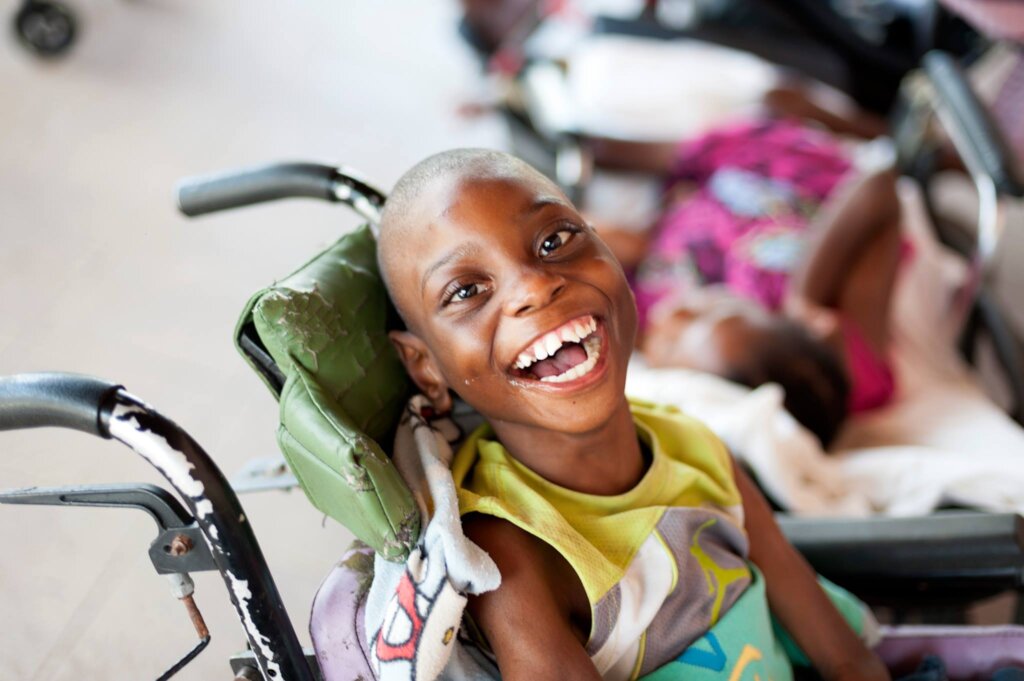
4
Autism Spectrum Disorder is a neurodevelopmental condition characterized by difficulties in social communication and restricted, repetitive behaviours. Some children with ASD also have physical disabilities such as cerebral palsy, muscular disorders, or motor impairments.
When ASD co-occurs with physical disabilities, the child has multiple disability needs affecting communication, movement, learning, and behaviour.
Primary Characteristics of ASD with Physical Disabilities
Social Communication Characteristics
- Limited eye contact
- Difficulty in social interaction
- Delayed speech or non-verbal communication
- Echolalia or repetitive speech
- Difficulty understanding emotions
Behavioural Characteristics
- Repetitive movements (hand flapping, rocking)
- Insistence on routine
- Restricted interests
- Sensory sensitivities
Physical Disability Characteristics
- Muscle weakness or spasticity
- Poor coordination
- Limited mobility
- Need for assistive devices (wheelchair, braces)
- Fine motor difficulty
Learning Characteristics
- Uneven skill profile
- Difficulty with abstract concepts
- Need for structured teaching
- Attention regulation problems
Challenges Associated with ASD with Physical Disabilities
Communication Challenges
Autism affects social communication, while physical disability may limit gesture, speech, or movement.
Mobility Challenges
Motor impairments restrict exploration and independence.
Behaviour Regulation
Sensory issues plus physical discomfort may increase behavioural problems.
Educational Challenges
Need for both behavioural intervention and physical accessibility support.
Social Inclusion Challenges
Peer interaction may be limited due to communication and mobility barriers.
Combinations of Conditions in Multiple Disabilities
Many children have more than two impairments simultaneously. These combinations create unique patterns of needs beyond single disabilities.
Common combinations include:
- Deafblindness with intellectual disability
- Deafblindness with cerebral palsy
- ASD with hearing impairment
- ASD with visual impairment
- Physical disability with intellectual disability
- Genetic syndromes with multiple impairments
Each combination affects development differently.
Primary Characteristics of Combined Conditions
Sensory Characteristics
- Hearing loss
- Vision loss
- Sensory processing problems
Motor Characteristics
- Poor muscle control
- Limited movement
- Balance difficulty
Cognitive Characteristics
- Developmental delay
- Intellectual disability
- Slow learning
Communication Characteristics
- Minimal speech
- Alternative communication need
- Difficulty understanding language
Behavioural Characteristics
- Self-stimulation
- Frustration behaviour
- Social withdrawal
Challenges Associated with Combined Conditions
Complex Learning Needs
Multiple impairments affect how the child perceives, processes, and responds to information.
Communication Barriers
Children may not access spoken, visual, or gestural communication easily.
Dependence in Daily Living
Self-care skills such as feeding, dressing, and toileting may be delayed.
Health and Medical Needs
Frequent therapy, medication, or medical monitoring may be required.
Educational Planning Challenges
Need for individualized, multidisciplinary intervention.
Family and Social Challenges
Caregiver stress, financial burden, and social stigma may occur.
Educational Implications Across All Types
Children with deafblindness and additional conditions generally require:
- Multisensory teaching
- Tactile communication methods
- Orientation and mobility training
- Assistive devices
- Individualized Education Plan (IEP)
- Interdisciplinary support
Disclaimer:
The information provided here is for general knowledge only. The author strives for accuracy but is not responsible for any errors or consequences resulting from its use.

